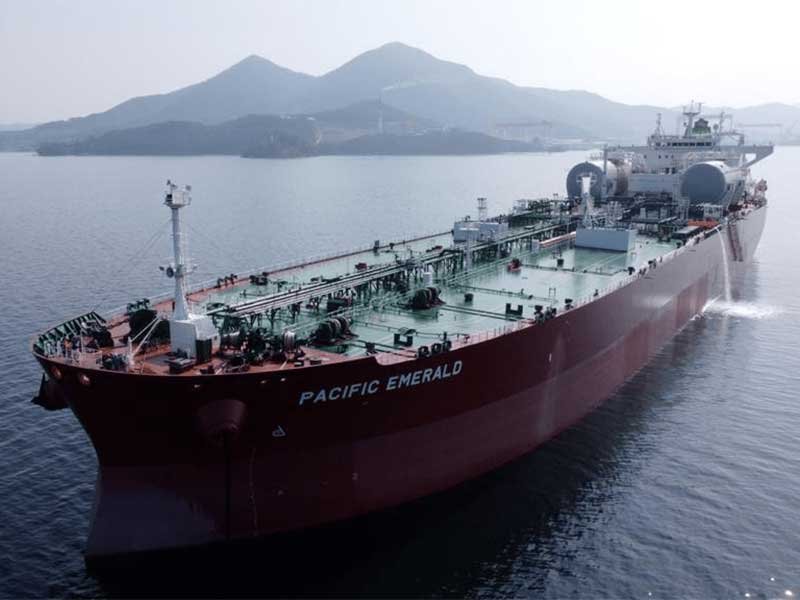
Ship Handling Overview
Technical ship handling refers to the precise control and maneuvering of vessels using onboard systems, environmental awareness, and navigational expertise. It demands mastery of hydrodynamics, propulsion, and external forces to ensure safe operations in harbors, open seas, or congested waters. Masters and pilots anticipate ship responses to achieve desired tracks, minimizing risks like collisions or groundings.
Core Principles
Ship handling governs three motions: longitudinal (forward/astern via engines), lateral (sideways via thrusters or tugs), and rotational (turning via rudder). Rudder effectiveness peaks at moderate speeds; at low speeds, thrusters and propellers dominate. Pivot point shifts with speed—ahead, it's forward (1/4-1/3 length); astern, amidships—dictating turning radius. Stopping distance varies by displacement, draft, and loading; crash stops use full astern power. Advance and transfer distances define tactical diameters.
External Influences
Wind creates leeway, strongest on beam; high-sided ships like tankers sheer downwind. Current induces set (lateral drift) and leeway (downstream); counter by steering upstream. Shallow water squat reduces under-keel clearance, amplifying interaction with banks or passing ships, causing bow-in/bow-out sheering. Interaction forces demand spacing adjustments.
Maneuvering Techniques
Berthing uses controlled approach angles (10-20°), kick-ahead for positioning, and parallel body for deceleration. Running moorings exploit tidal streams. Anchoring provides emergency stops or swing control; let-go timing counters drift. Tug assistance—bow/stern lines or escort—multiplies control in wind. Slow-speed handling employs transverse thrust from right-handed propellers (port engine astern kicks bow starboard). Engine orders synchronize telegraph-radar for bridge-teamwork.
Aids and Best Practices
ECDIS, ARPA radar, and AIS predict tracks; simulators hone skills. Briefings align team on contingencies. Factors like trim, draft, and weather dictate plans—adjust for squat in channels. Post-maneuver debriefs refine techniques. Digital tools like dynamic positioning (DP) automate station-keeping for offshore vessels. Proficiency prevents 90% of incidents, blending art and science.
Gallery