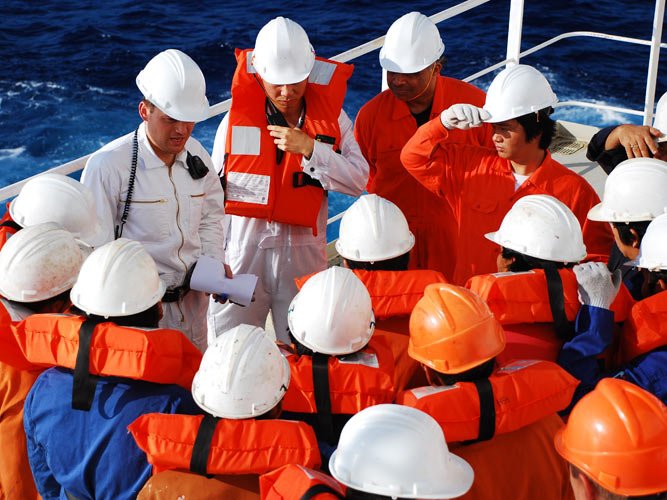
Crew Management & Training: The Human Engine of Operational Excellence
While fleet management focuses on vehicles, crew management and training are dedicated to optimizing the human element—the drivers, operators, and technicians who are the most critical and variable asset in any operation. This dual-pronged discipline combines strategic personnel administration with continuous skill development to ensure a safe, efficient, and compliant workforce.
Crew management is the logistical backbone. It involves the strategic scheduling, dispatching, and tracking of personnel to align human resources with operational demands. Modern systems utilize sophisticated software to match worker certifications, qualifications, and hours-of-service (HOS) compliance with specific job requirements, ensuring the right person is assigned to the right task at the right time. This maximizes productivity, minimizes downtime, and prevents regulatory violations related to fatigue or improper licensing. Effective crew management also encompasses communication, payroll integration, and performance tracking, creating a centralized view of the workforce.
However, scheduling is only effective if the crew is proficient. This is where structured training becomes indispensable. Comprehensive training programs move beyond basic licensure to foster a culture of safety and expertise. Critical areas include defensive driving techniques, fuel-efficient (eco-driving) practices, proper handling of specialized equipment, and strict adherence to safety protocols. For sectors like transportation or aviation, recurrent training on regulations and emergency procedures is mandatory.
Today, technology is revolutionizing training methodologies. Simulation tools provide risk-free environments for practicing complex or hazardous scenarios. E-learning platforms allow for flexible, consistent delivery of theoretical knowledge. Telematics data is increasingly used for personalized coaching, where insights from vehicle data (e.g., harsh braking events) inform targeted feedback to improve individual driver behavior.
The synergy between management and training yields powerful results. A well-managed, highly trained crew directly reduces accident rates, lowers insurance costs, and minimizes liability. It enhances operational efficiency through improved fuel economy and reduced vehicle wear-and-tear. Furthermore, it boosts employee morale and retention by demonstrating investment in their professional development and safety.
Ultimately, crew management and training transform personnel from a cost center into a strategic advantage. By ensuring crews are not only properly deployed but also expertly skilled, organizations build a resilient, compliant, and high-performing human engine that drives sustained success and a superior safety record.