Overview of Ship Architecture
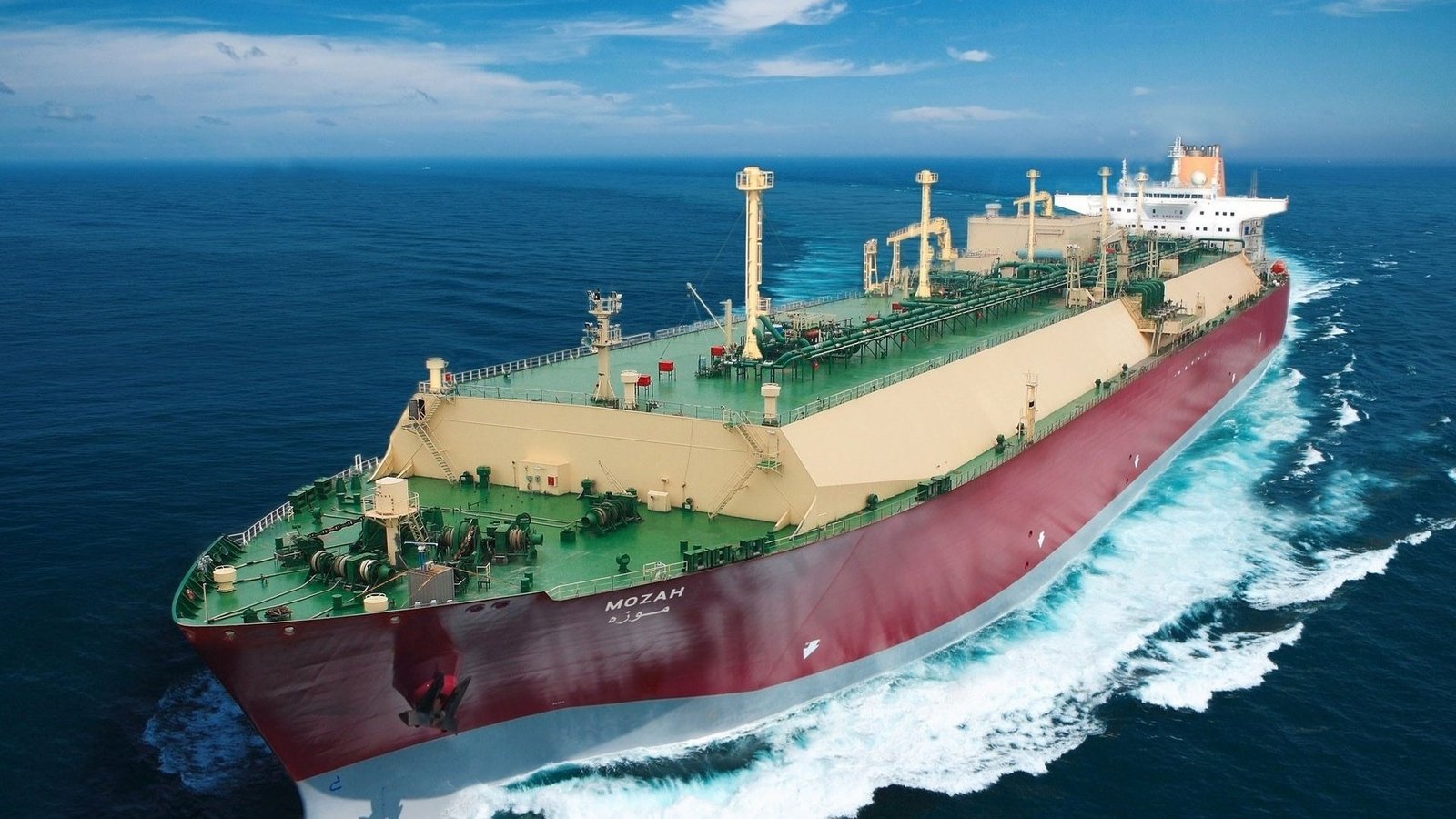
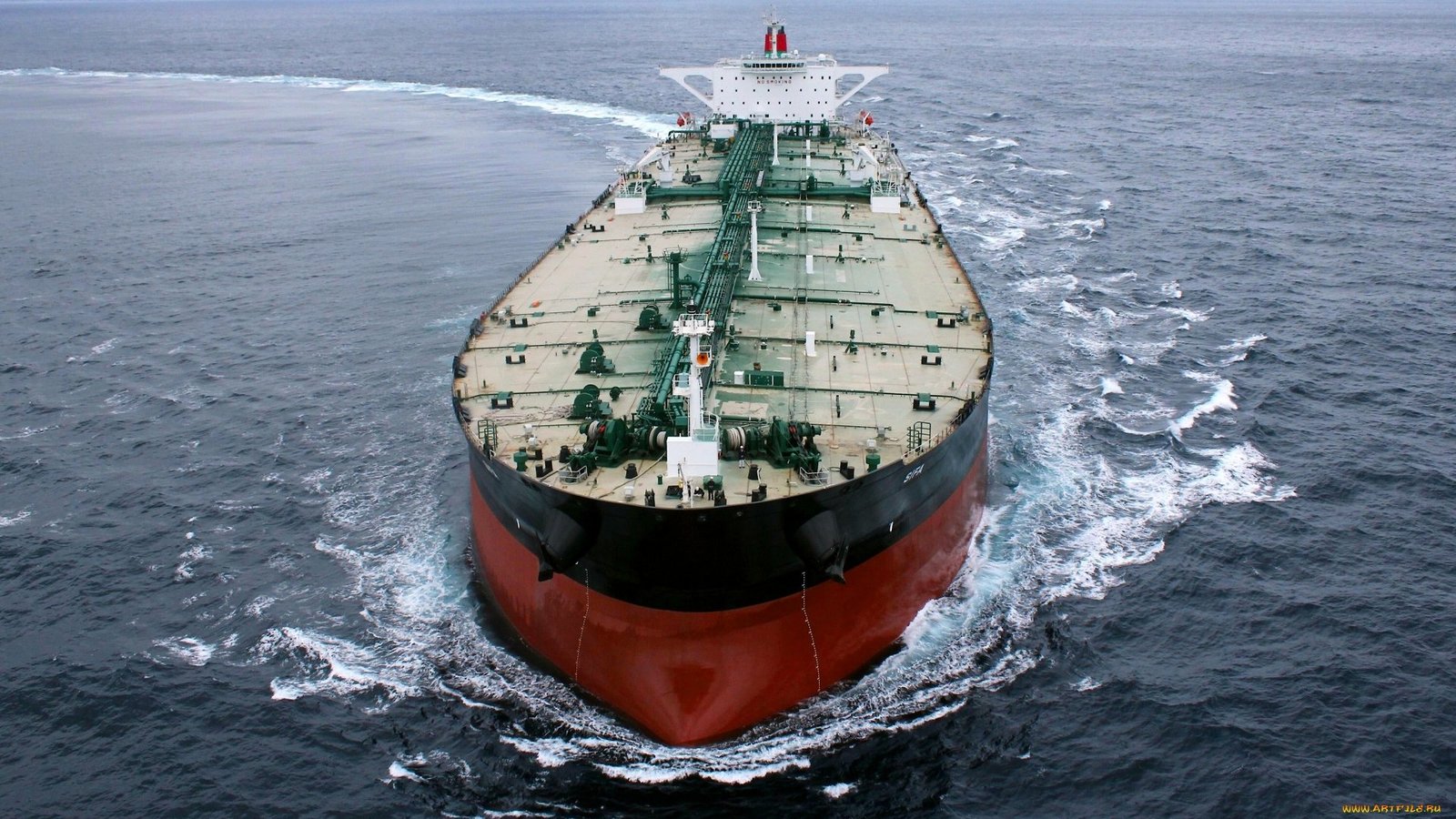
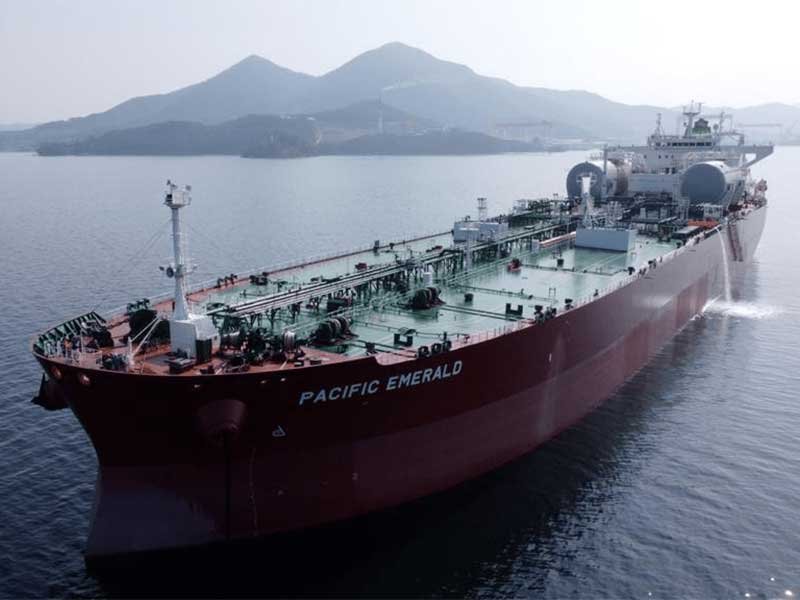
Ship architecture, or naval architecture, integrates engineering principles to design vessels that are safe, efficient, and fit for purpose. It balances buoyancy, stability, strength, and hydrodynamics while meeting regulatory standards. Modern designs prioritize fuel efficiency, environmental compliance, and advanced materials amid global trade demands.
Core Design Principles
Buoyancy follows Archimedes' principle: a ship's displacement equals the weight of water it displaces, determining draft and load capacity. Stability relies on the metacentric height (GM), where the center of gravity stays low relative to buoyancy for righting moments against waves. Hull forms minimize resistance—bulbous bows reduce wave drag, while slender shapes suit high-speed vessels like destroyers. Propulsion optimizes propellers to combat cavitation and match speed profiles.
Design Stages
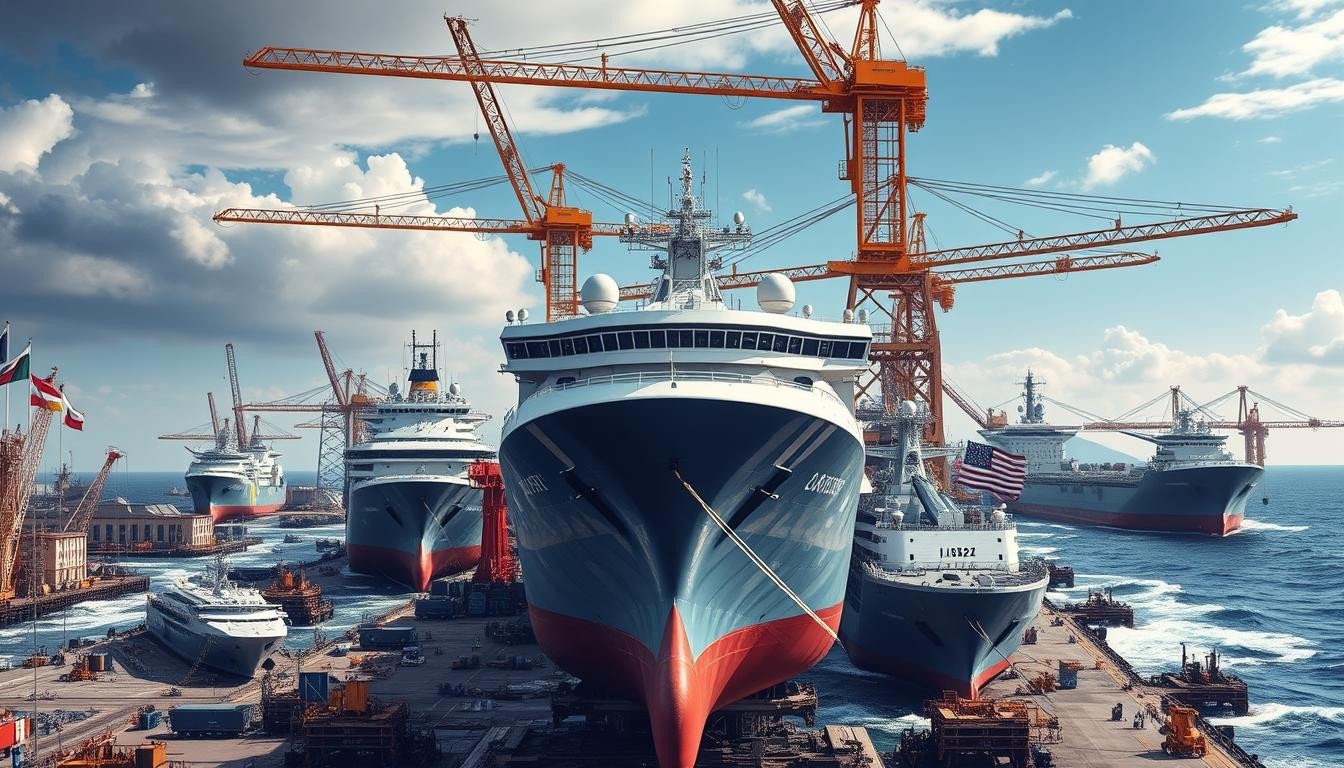
Conceptual design defines mission requirements: speed, range, payload, and routes, yielding initial hull parameters. Preliminary design refines arrangements for stability, propulsion, and spaces like cargo holds or accommodations. Detailed design produces construction drawings for structures, piping, electrical systems, and HVAC, incorporating CFD for hydrodynamics and finite element analysis for stress. Sea trials validate performance post-build.
Specialized Forms
Container ships use blocky hulls for volume, accepting higher drag. Cruise liners feature wide beams and stabilizers for comfort. Offshore platforms employ semi-submersible designs for wave resistance. Materials like high-tensile steel handle hogging and sagging loads. Digital tools now enable iterative optimization for green fuels and autonomy.
Gallery