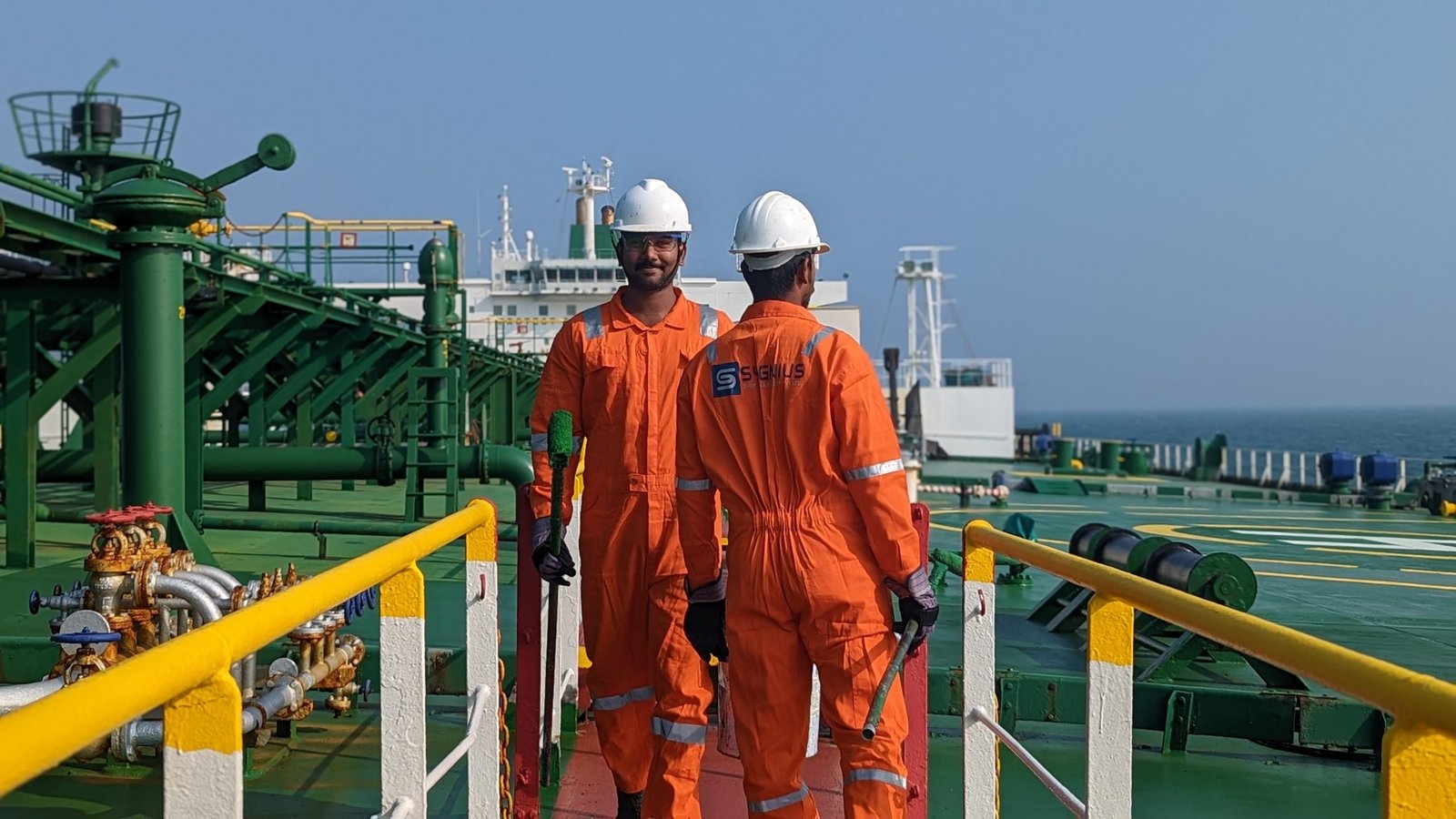
Crew management in the maritime industry is the organized process of recruiting, training, deploying, and supporting seafarers to ensure ships operate safely, efficiently, and in full compliance with international regulations.
Definition and Scope
Crew management covers all activities related to shipboard personnel, including sourcing candidates, verifying qualifications, assigning ranks, planning rotations, and managing contracts.
Specialized crew management companies or in-house departments handle these tasks for shipowners, ensuring each vessel has the right number of competent officers and ratings at all times.
Core Functions
Key functions include recruitment and selection, where manning agencies and crewing offices identify qualified seafarers from key sourcing hubs such as India, the Philippines, and Eastern Europe.
Training and certification ensure compliance with STCW and flag-state rules, providing upgrading courses, safety drills, and career development paths to maintain high professional standards.
Scheduling and deployment manage crew changeovers, travel logistics, visas, and relief planning so contracts and rest-hour regulations are respected.
Administrative support covers payroll, tax, insurance, medical coverage, and documentation, helping seafarers focus on their duties onboard.
Safety, Compliance, and Welfare
Effective crew management underpins vessel safety by ensuring watchkeeping, maintenance, and emergency response are handled by trained personnel.
It also enforces compliance with international labour conventions, company policies, and safety management systems, reducing risk of accidents, detentions, and claims.
Welfare and wellbeing are central: managers address multicultural team dynamics, fatigue, mental health, communication with families, and fair treatment, which directly influence performance and retention.
Technology and Future Trends
Modern crew management uses dedicated software platforms (CMS) to centralize seafarer records, certificates, appraisals, and scheduling, improving transparency for owners and regulators.
Trends include data-driven planning, e-learning, remote assessments, and integration with ship management and HR systems to optimize manning costs while maintaining high safety standards.
Gallery